
Leading Adults with Developmental Disabilities to Equitable Health Results.

The LADDEHR Neighbourhood is a place where individuals with developmental disabilities can receive timely access, continuity, and wraparound support, particularly during early operation. Much like how a neighbourhood is a community within a city, the LADDEHR project is a community within the greater healthcare system. One that has an identity and emphasizes an active, relational care environment.
In this neighbourhood, Key services have been identified as:
- Rapid access and same-day appointments, including after-hours and overnight on-call coverage
- Multi disciplinary team-based care, including family physicians, pediatricians, specialists, nurse practitioners, nurse navigators, social work, and allied health (PT/OT)
- Continuity of care, allowing patients to return to the same team and build trusted relationships
- Care navigation and follow-up, including proactive phone or virtual follow-up after emergency department visits
- Respite and caregiver support, ideally linked directly to the clinic to maintain trust
- Virtual care options, including video visits, messaging, and “hospital-at-home” style supports
- Strong linkages to Primary Care Networks (PCNs) to support coordination beyond the clinic
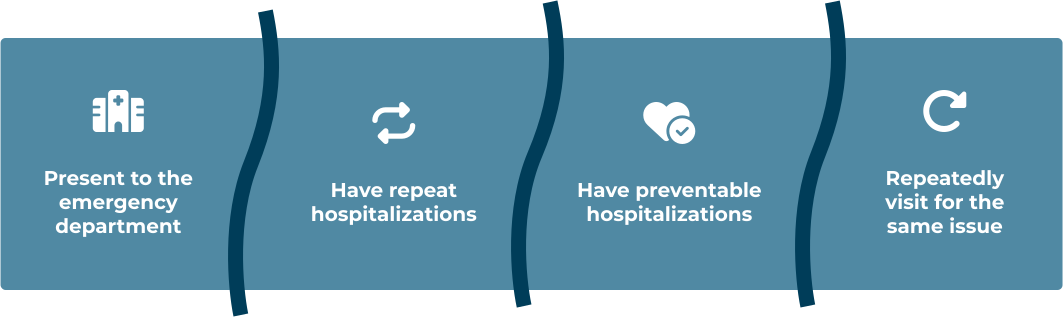
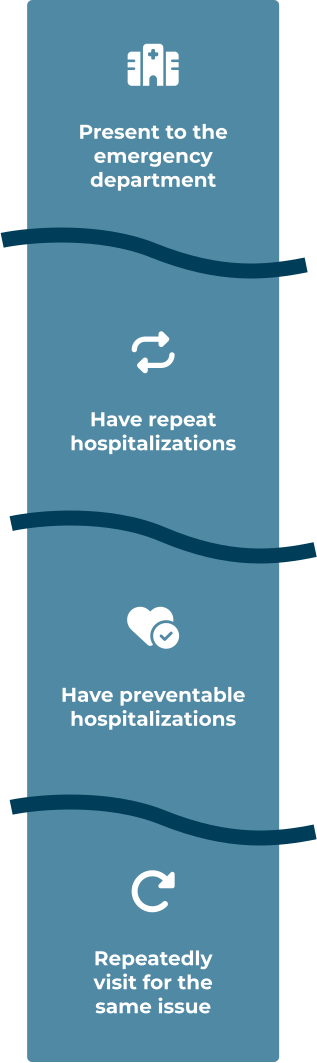
We want the best care possible for all Albertans; however, not all people are the same when they present to a medical location. Compared to the general population, adults with developmental disabilities and cognitive impairments are more likely to:
Often relatively straightforward medical procedures escalate to more serious medical issues because people with disabilities often have complex health needs and require special care approaches and environments to get their healthcare needs met. This system gap causes a number of issues including:
The adult population we are concerned with requires services similar to those provided to children at specialized children’s hospitals.
These hospitals have highly trained staff and adjusted approaches to care specific to the needs of children. There is a need for a similar centre, but tailored to the needs of adults with intellectual impairment and developmental disabilities, including supports for the communication and behaviour challenges that accompany these individuals.
A centre such as this would have numerous benefits to our already taxed health care system including a reduction in missed diagnosis and a reduction in points of contact, ultimately improving the care for these individuals while reducing costs, hospital wait times and stress on the overall system.

Supported by Dr. Alf Conradi and Dr. Larry Ohlhauser, The LADDER Project requires the help of organizations and other individuals that can offer the expertise required to see this project to reality.
If you are interested in being a part of this Steering Committee, please contact Tamara Browning, the founder of this initiative, at 780-966-4007.

If you are interested in helping this project climb the rungs, click on the button below to donate today.
Contact Us